


Essential Steps for Cleaning Your Axolotl Tank Effectively

Keeping an axolotl tank clean is crucial for the health and happiness of these unique amphibians. Dirty water can lead to stress, illness, and even death for your pet. Unlike some fish, axolotls produce a fair amount of waste, and their tanks require regular maintenance to maintain a safe environment. This guide walks you through the essential steps to clean your axolotl tank properly, ensuring your aquatic friend thrives.

Prepare for Cleaning
Before starting, gather all necessary supplies:
A siphon or gravel vacuum
A clean bucket reserved only for aquarium use
Water conditioner (dechlorinator)
Algae scraper or sponge
Replacement water at the right temperature
Soft cloth or paper towels
Make sure your replacement water matches the tank’s temperature closely, ideally between 60°F and 64°F (15°C to 18°C), since axolotls are sensitive to temperature changes. Avoid using tap water without treating it with a water conditioner to remove chlorine and chloramine.
Partial Water Changes Are Key
Axolotls do not require full tank water changes unless there is a serious issue. Instead, perform partial water changes of about 20-30% weekly. This helps remove waste and toxins without shocking your pet.
Steps for partial water changes:
Turn off any electrical equipment like filters and heaters.
Use the siphon to remove water and debris from the substrate gently.
Dispose of the dirty water in your reserved bucket.
Add the treated, temperature-matched water back into the tank slowly to avoid disturbing the axolotl.
Partial water changes keep the water quality high and reduce the buildup of harmful ammonia and nitrites.
Clean the Substrate Carefully
Axolotls prefer fine sand or smooth gravel as substrate because sharp or rough materials can injure their delicate skin. During water changes, use the siphon to vacuum the substrate lightly. Avoid stirring it up too much, as this can stress your axolotl and cloud the water.
If you notice uneaten food or waste stuck in the substrate, remove it manually with a net or siphon. Keeping the substrate clean prevents harmful bacteria from growing.
Maintain the Filter Without Overcleaning
Filters help keep the tank water clear and healthy by removing debris and breaking down waste. However, overcleaning the filter media can remove beneficial bacteria essential for the nitrogen cycle.
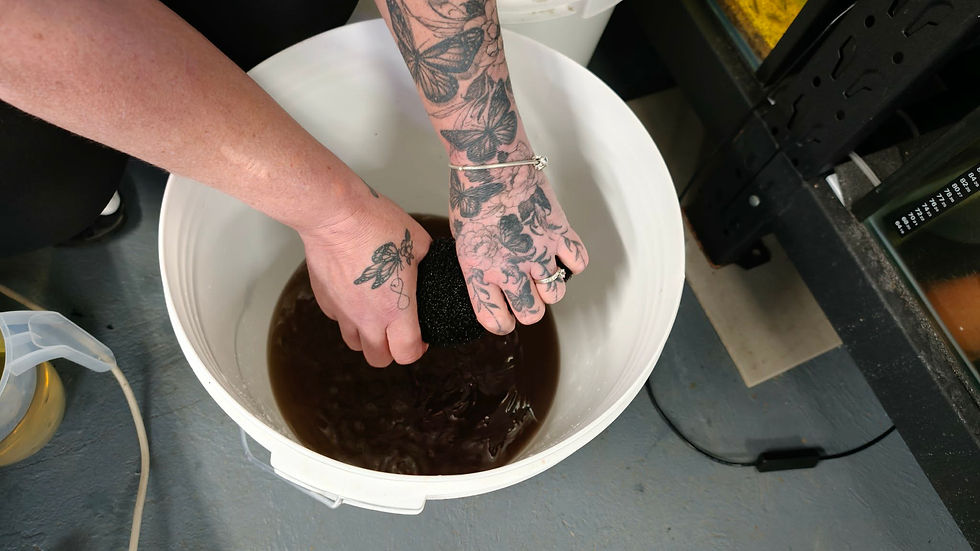
Clean the filter every 3-4 weeks by rinsing the media in tank water you removed during a water change. Avoid using tap water, which can kill helpful bacteria. Replace filter cartridges only when necessary, and never all at once.
Remove Algae and Decorations
Algae can build up on tank walls and decorations, making the tank look dirty and affecting water quality. Use an algae scraper or sponge to clean the glass gently. For decorations, remove them and scrub with warm water only—avoid soap or detergents.
Check for any sharp edges or damaged decorations that could harm your axolotl and replace them if needed.
Monitor Water Parameters Regularly
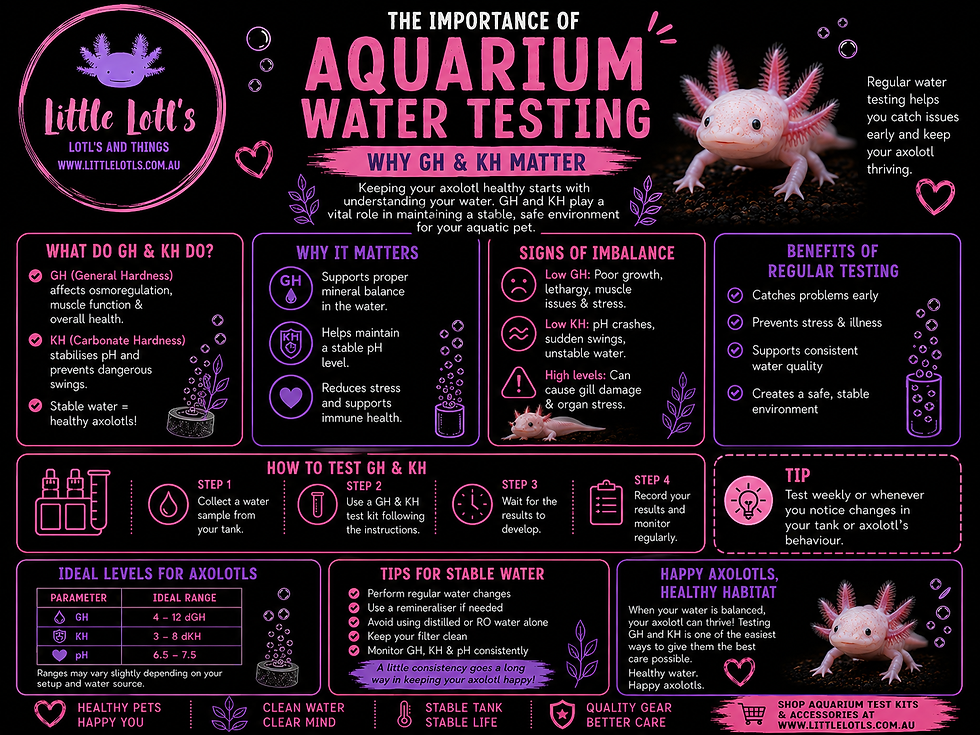
Regular testing of water parameters is essential to keep your axolotl healthy. Use an aquarium test kit to check:
Ammonia levels (should be 0 ppm)
Nitrite levels (should be 0 ppm)
Nitrate levels (ideally below 20 ppm)
pH level (between 6.5 and 8.0)
If any levels are off, adjust your cleaning schedule or water treatment accordingly. Keeping these parameters stable prevents stress and disease.
Tips for a Stress-Free Cleaning Routine
Clean the tank during the day when your axolotl is less active.
Avoid sudden temperature changes by preparing water in advance.
Handle your axolotl as little as possible during cleaning.
Keep the tank environment calm and quiet.
Consistency is key. A regular cleaning routine prevents major problems and keeps your axolotl comfortable.
Signs Your Tank Needs Extra Attention
Sometimes, your axolotl’s behavior or tank condition signals the need for more thorough cleaning:
Cloudy or foul-smelling water
Visible waste or uneaten food buildup
Excessive algae growth
Axolotl showing signs of stress like lethargy or loss of appetite
In these cases, increase water change frequency or perform a deeper clean, but avoid full water changes unless absolutely necessary.


Comments