


Essential Guide to Caring for Axolotls in Australia's Unique Climate
- Veronica And Erik

- Mar 29
- 4 min read
Axolotls: Your Guide to Caring for These Unique Aquatic Pets in Australia
Axolotls are fascinating aquatic creatures known for their unique appearance and remarkable ability to regenerate limbs. However, caring for axolotls in Australia presents specific challenges due to the country's warm climate and environmental conditions. This guide offers practical advice to help you create a comfortable and healthy environment for your axolotl, ensuring it thrives despite Australia's unique weather.
Understanding Axolotl Needs in Warm Climates
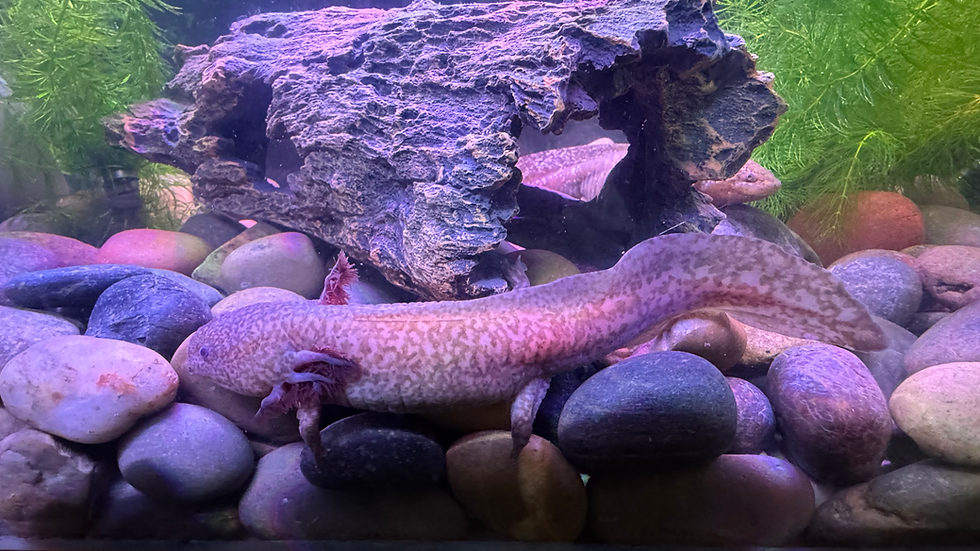
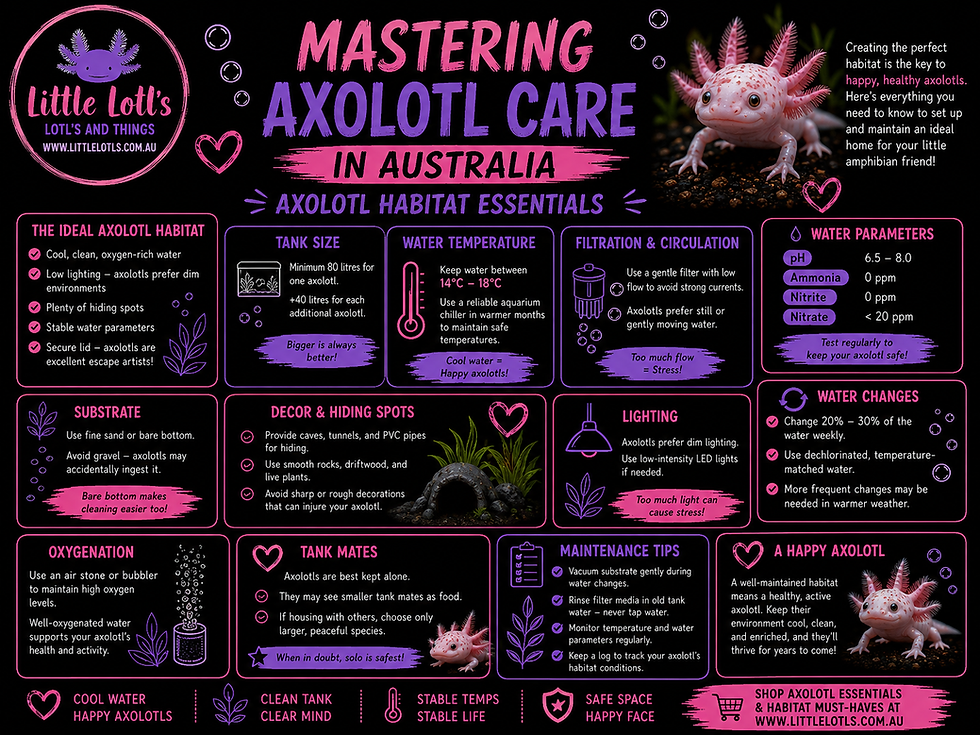
Axolotls naturally come from the cool, high-altitude lakes of Mexico. Their ideal water temperature ranges between 14°C and 20°C (57°F to 68°F). In Australia, where temperatures often exceed this range, maintaining a suitable environment is critical.
Temperature Control
Use aquarium chillers or cooling fans to keep water temperatures within the safe range.
Avoid placing tanks near windows or direct sunlight, which can quickly raise water temperature.
Monitor water temperature daily with a reliable aquarium thermometer.
If temperatures rise above 22°C (72°F), axolotls may become stressed, leading to health problems such as fungal infections or lethargy.
Humidity and Air Quality
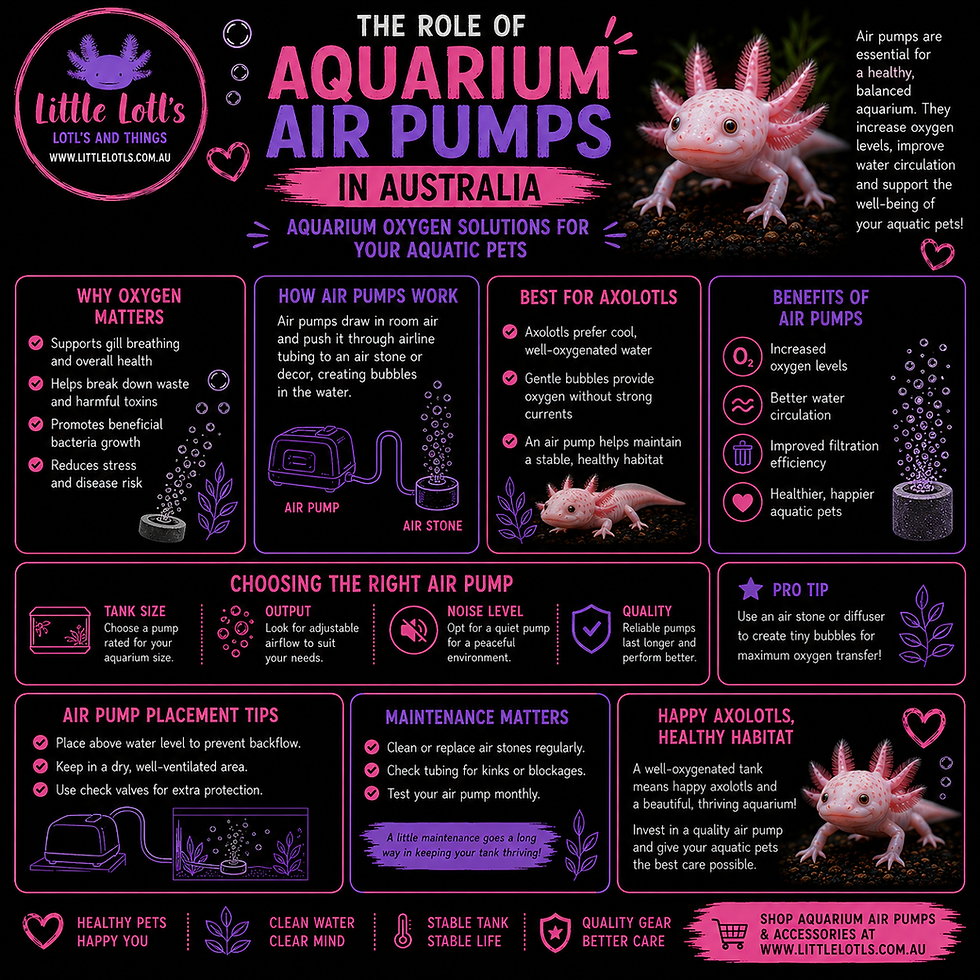
While axolotls live underwater, air quality around the tank matters. Ensure good ventilation to prevent mold and maintain oxygen levels. Avoid placing tanks in rooms with strong chemicals or smoke.
Setting Up the Perfect Axolotl Habitat
Creating a comfortable home for your axolotl involves more than just temperature control. The tank setup should mimic their natural environment as much as possible.
Tank Size and Water Conditions
A minimum tank size of 120 liters (30 gallons) is recommended for one axolotl.
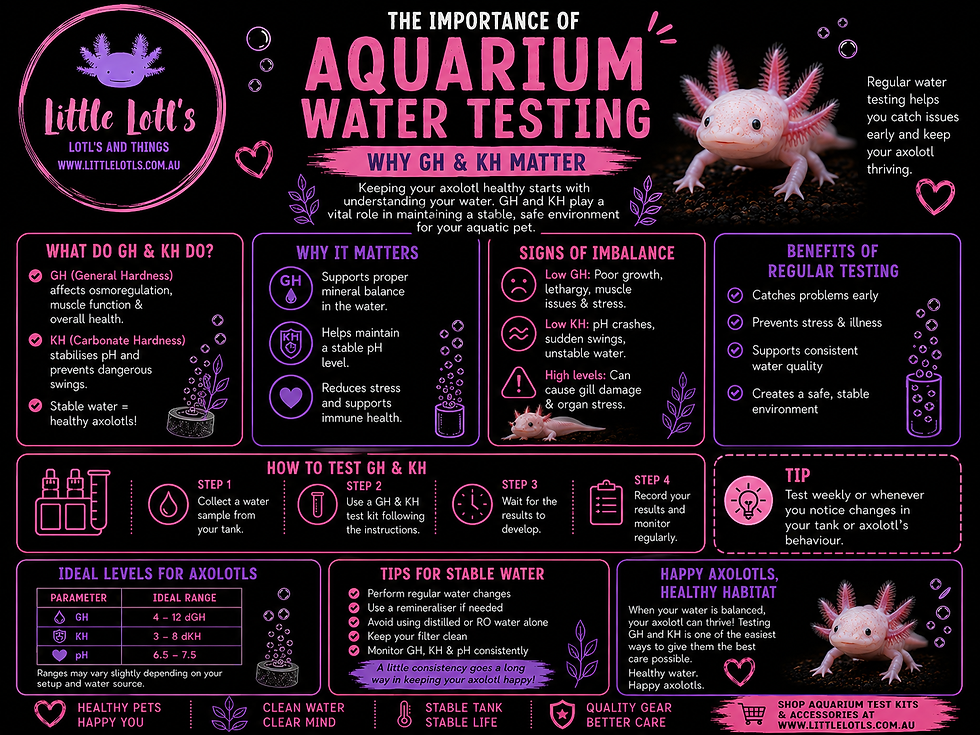
Use dechlorinated water with a pH between 7.0 and 8.0.
Regular water changes (20% weekly) help maintain water quality.
Install a heavy-duty yet gentle filter to keep water clean without creating strong currents.
Substrate and Decorations
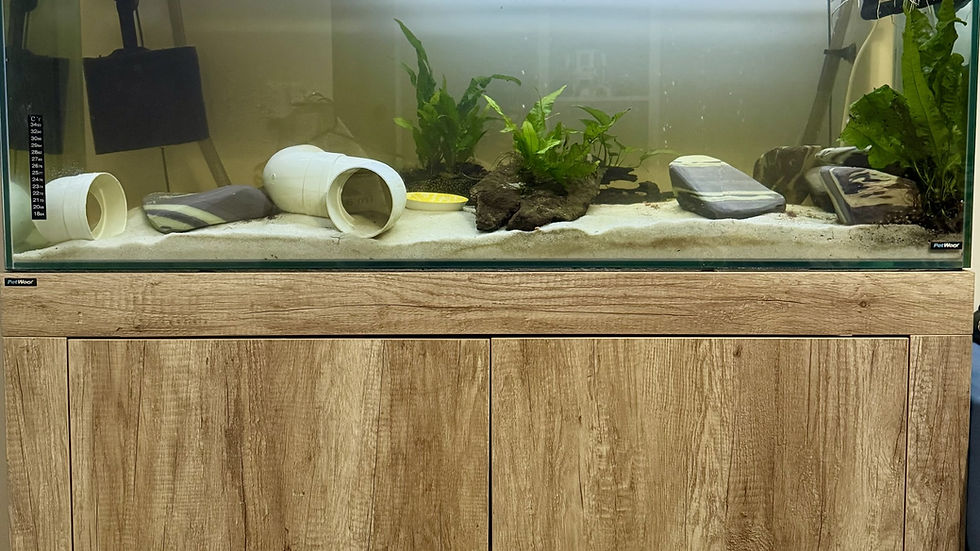
Fine sand or bare-bottom tanks are best to avoid impaction from swallowing gravel.
Provide hiding spots using PVC pipes, caves, or aquarium-safe plants.
Avoid sharp decorations that could injure your axolotl’s delicate skin.
Feeding Axolotls in Australian Conditions
Axolotls are carnivorous and require a protein-rich diet. In Australia, sourcing appropriate food is straightforward but requires attention to quality.
Recommended Foods
Live earthworms, blackworms, and frozen raw prawn meat.
Pellets formulated specifically for carnivorous amphibians.
Occasional treats like small pieces of bloodworms or fish (frozen cubed salmon).
Feeding Tips
Feed juveniles daily and adults every 2-3 days.
Remove uneaten food promptly to prevent water contamination.
Avoid feeding feeder fish from unreliable sources to reduce disease risk. If you get fish, quarantine for 30 days before feeding.
Managing Seasonal Changes and Emergencies
Australia’s seasons can affect your axolotl’s environment. Summer heat waves and winter chills require adjustments.
Summer Care
Increase cooling measures during hot months, e.g., aquarium fans or chillers.
Consider moving the tank to a cooler room or basement.
Use frozen water bottles placed inside the tank to lower temperature temporarily.
Winter Care
Maintain stable temperatures with aquarium heaters if needed.
Avoid sudden temperature changes that can stress your axolotl.
Emergency Preparedness
Have backup power for chillers or heaters in case of outages.
Keep water testing kits handy to monitor ammonia, nitrite, and nitrate levels.
Know the signs of illness such as loss of appetite, skin lesions, or unusual swimming behavior and consult an exotic pet vet promptly.
Legal and Ethical Considerations in Australia
Axolotls are exotic pets and may be subject to local regulations. Check with your state or territory’s wildlife authority before acquiring an axolotl. Responsible ownership includes:
Ensuring your axolotl does not escape into the wild.
Avoiding release into local waterways to protect native ecosystems.
Sourcing axolotls from reputable breeders.
Final Thoughts on Caring for Axolotls in Australia
Caring for axolotls in Australia requires attention to temperature control, habitat setup, and diet. By understanding their specific needs and adapting to the local climate, you can provide a safe and healthy home for these unique amphibians. Regular monitoring and proactive care will help your axolotl live a long, happy life.
If you are considering adding an axolotl to your home, start by researching local regulations and preparing your tank well in advance. Your effort will pay off with a fascinating pet that brings a touch of the extraordinary to your aquarium.
Creating a Thriving Environment
To ensure your axolotl thrives, focus on creating a balanced ecosystem. This includes maintaining water quality and ensuring the right temperature. Regularly check your water parameters, and don’t hesitate to make adjustments as needed.
Engaging with the Community
Connecting with other axolotl enthusiasts can provide valuable insights and support. Join online forums or local groups to share experiences and tips. This community can be a great resource for troubleshooting any issues you may encounter.
The Joy of Owning an Axolotl
Owning an axolotl can be a rewarding experience. Their quirky personalities and unique looks make them a joy to observe. With the right care, your axolotl can become a cherished member of your household.
If you want to learn more about axolotls, check out Little Lotl's. They offer a wealth of information and supplies to help you create the perfect environment for your aquatic pet.
Comments