


Why Do Axolotl Gills and Colours Fade? Understanding the Effects of Inactivity and Temperature


One of the most common concerns among axolotl owners is when their axolotl's vibrant colours begin to look dull or their fluffy gills appear smaller than usual. While fading colours and reduced gill size can sometimes indicate health issues, they are often caused by two completely normal factors: inactivity and temperature.
Understanding how these factors affect your axolotl can help you distinguish between normal changes and situations that require attention.
Axolotl Gills Are Constantly Changing
Unlike many other pets, an axolotl's appearance can change significantly from day to day. Their gills are highly responsive to their environment and activity levels.
Healthy axolotls use their gills to absorb oxygen from the water. When they are active, hunting, exploring, or excited by feeding time, blood flow increases throughout the body. This increased circulation causes the gill filaments to appear fuller, fluffier, and often a deeper shade of red or pink.
When an axolotl spends long periods resting, blood flow slows and the gills may appear smaller, less fluffy, and lighter in colour. This is often completely normal.
Many owners notice their axolotl's gills looking spectacular during feeding time, only to appear less impressive a few hours later while resting. This natural fluctuation is simply part of how axolotls regulate their energy and oxygen requirements.
How Inactivity Affects Gill Appearance
Axolotls are ambush predators by nature. In the wild, they spend much of their time conserving energy and waiting for food to come within range.
When an axolotl remains inactive for extended periods:
Blood circulation decreases slightly
Gill filaments receive less blood flow
Gills may appear less vibrant
Colouration may seem duller
The animal may look paler overall
This effect is especially noticeable in leucistic, copper, and albino axolotls where colour changes are easier to observe.
An inactive axolotl is not necessarily an unhealthy axolotl. Many healthy adults spend most of the day resting comfortably in a cool, secure location.
Why Cooler Temperatures Can Cause Colour Fading
Temperature has a major influence on an axolotl's metabolism.
As water temperatures decrease, an axolotl's body naturally slows down. This reduced metabolic rate is actually beneficial because it lowers stress and decreases oxygen demand.
In cooler water you may notice:
Reduced activity levels
Less frequent movement
Paler gills
Slightly reduced gill fluff
Less vibrant body colours
This is often most noticeable during winter months.
Many owners become concerned when their axolotl appears less colourful during cooler periods, but in most cases the animal is simply conserving energy and operating at a slower metabolic rate.
The Relationship Between Temperature and Blood Flow
Blood circulation is one of the primary reasons colours appear brighter at certain temperatures.
In slightly warmer water within the safe range, axolotls tend to:
Move more frequently
Eat more actively
Display stronger circulation
Show brighter gill colours
In cooler water, circulation naturally decreases, making colours appear softer or less intense.
This does not mean warmer temperatures are better.
In fact, maintaining temperatures between 16°C and 18°C (60°F to 64°F) is often ideal for long-term health, even if colours appear slightly less vibrant than they might at warmer temperatures.
Health should always take priority over colour intensity.
When Should You Be Concerned?
While some fading is completely normal, certain signs may indicate a problem.
Monitor your axolotl closely if colour fading is accompanied by:
Curled gill stalks
Forward-curled gills
Loss of appetite
Rapid weight loss
Floating issues
White fungal growth
Skin lesions
Severe gill shrinkage
Persistent lethargy
These symptoms may suggest water quality problems, illness, stress, or injury rather than simple inactivity or temperature-related changes.
Water Quality Still Matters
Even when inactivity and temperature are the primary causes of colour changes, water quality remains extremely important.
Poor water conditions can quickly affect gill health and overall appearance.
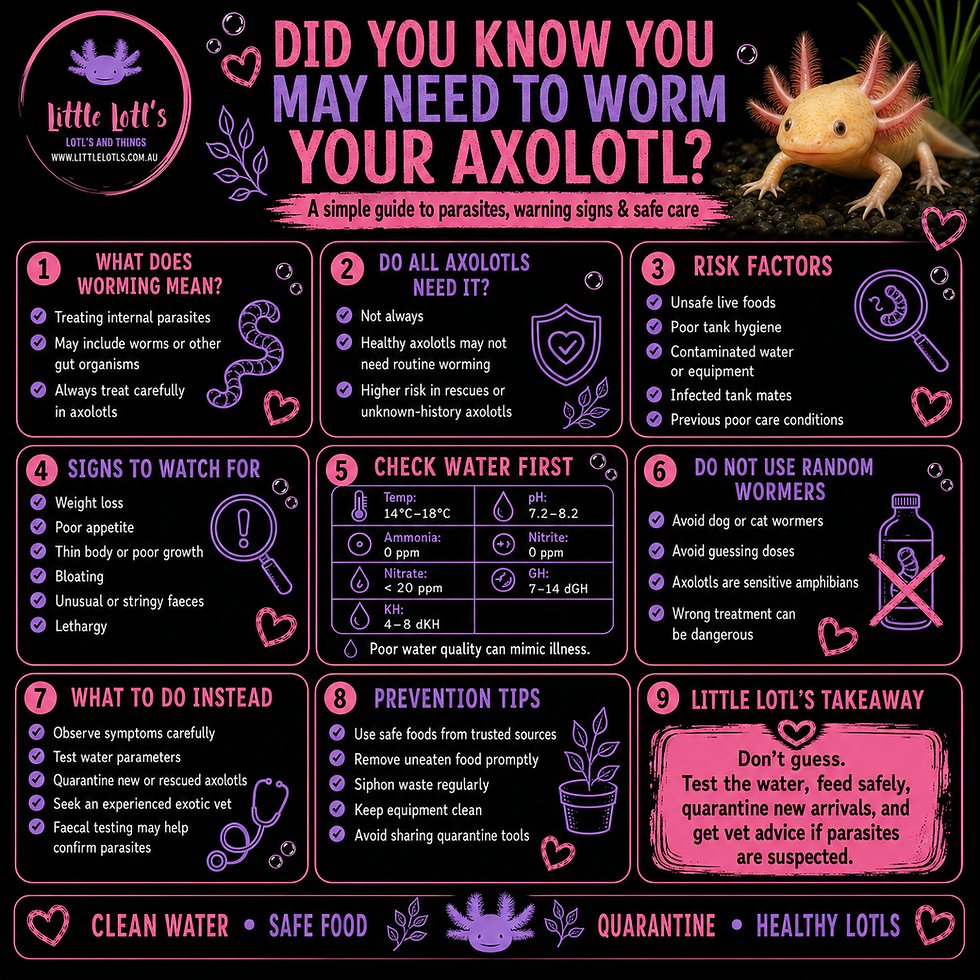
Always monitor:
Ammonia
Nitrite
Nitrate
pH
GH
KH
Water temperature
Stable, cycled water helps maintain healthy gills and vibrant colouration throughout the year.
How to Encourage Fuller Gills Naturally
If your axolotl is healthy but looking slightly dull, there are several ways to encourage natural activity.
Provide:
Live aquarium plants
Secure hides
Gentle environmental enrichment
Consistent feeding schedules
Stable water parameters
Appropriate temperatures
Many axolotls become noticeably more active when they feel secure within a well-designed environment.
Final Thoughts
Fading colours and less fluffy gills are not always signs that something is wrong. In many cases, they simply reflect changes in activity levels and water temperature.
A resting axolotl in cool water may look very different from the same axolotl during feeding time or after exploring its tank. These changes are often completely natural and are part of normal axolotl physiology.
Rather than focusing solely on colour intensity, assess your axolotl's overall condition, appetite, behaviour, and water quality. A healthy axolotl may not always be at its most colourful, but it should remain alert, well-fed, and comfortable within its environment.
By understanding the connection between activity, temperature, and circulation, axolotl owners can better appreciate the fascinating ways these unique amphibians respond to their surroundings.


Comments